







Search Results for: Tea History
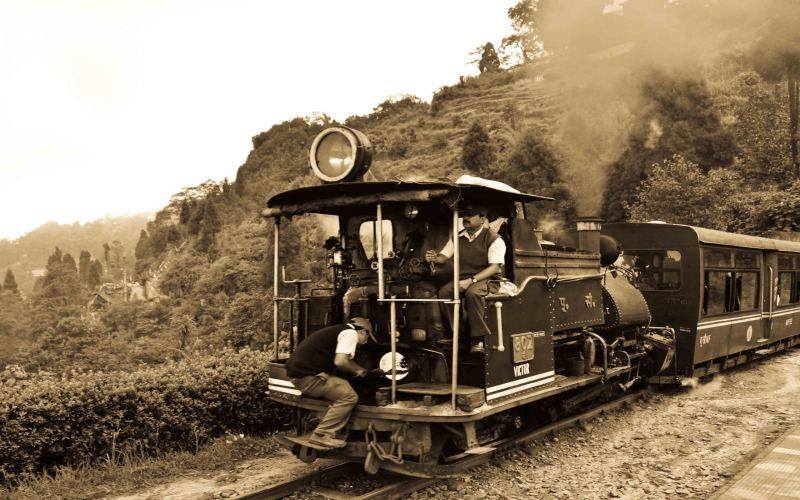
Darjeeling Tea Annual Output and Regional Development: A Cultivation History from Trial Planting to 86 Estates
Darjeeling tea is renowned worldwide for its distinctive muscatel flavor, and its quality is closely tied to the cool, humid climate, soil, and sloping terrain. This article traces the cultivation origins and expanding production regions of Darjeeling tea: from Dr. Campbell's experimental planting, to the establishment of the first commercial tea gardens in the mid-19th century, and to today's scale of 86 tea gardens producing about 10 million kilograms annually. It also introduces the flavor differences across the four main harvest seasons each year, as well as organic certification and industry employment, helping coffee and tea enthusiasts gain a systematic understanding of the past and present of this world-famous tea-producing region. [more…]
Earl Grey Tea vs. Lady Grey Tea: What's the Difference? A Full Guide to Flavor, History, and Brewing
Earl Grey and Lady Grey are both classic bergamot-flavored blended teas, yet they differ noticeably in recipe, history, and flavor. Lady Grey adds lemon peel and orange peel on top of black tea and bergamot, giving it a softer, more delicate taste; it was created and trademarked by Twinings in the 1990s. Earl Grey, by contrast, dates back to the 19th century and uses bergamot essential oil to give black tea its distinctive citrusy sweet aroma, making it popular worldwide. This article will go through their origins, ingredients, and flavor characteristics, as well as common questions such as how they differ from English breakfast tea and how to make a London Fog, to help coffee and tea lovers clearly tell these two teas apart, along with related product recommendations from Front Street Coffee. [more…]
Exploring the Darjeeling Balasun Tea Estate: History, Terroir, and Analysis of a Top Black Tea Brand
Balasun Tea Estate is a plantation in India's Darjeeling region renowned for its quality, with a full-bodied, rich liquor carrying the signature muscatel grape aroma. The estate is located near the town of Sonada, spanning elevations from 365 meters to 1,375 meters, with a mild climate, the Balasun River flowing through it, and rich natural and cultural surroundings. Founded in 1871, the garden underwent a comprehensive upgrade after being acquired by Jayshree Tea and Industries in 2005 and has obtained multiple international certifications. Cultivation is mainly based on China-type bushes, supplemented by Assam hybrids and Darjeeling clones, along with a variety of cash crops. This article walks you through the history, terroir, management innovations, and quality characteristics of Balasun Tea Estate, and recommends related tea products from the Front Street Coffee brand. [more…]
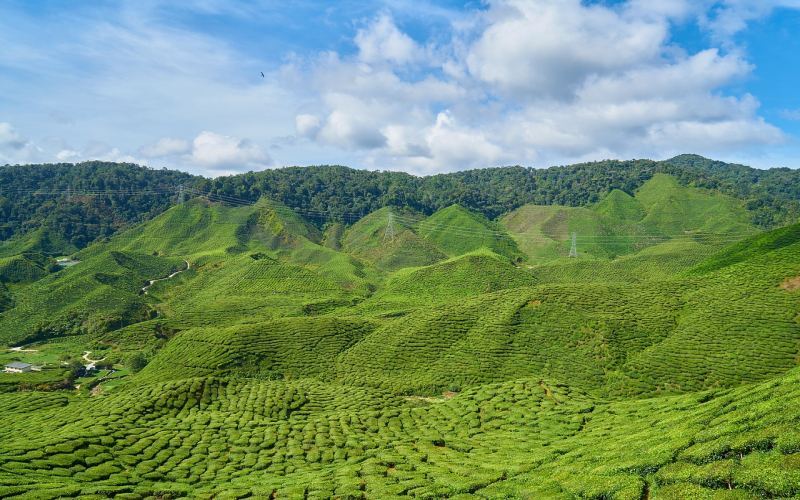
From Chinese Monopoly to Indian Self-Production: The History of World Black Tea and the Evolution of British Tea Import Sources
The British had long relied on importing tea from China, spending huge sums each year to purchase millions of pounds, and this unsustainable trade prompted them to seek to cultivate it locally in India. From the legends of 750 BC to Robert Bruce's discovery of native tea plants in Assam in 1823, the Indian tea industry went through a tortuous process of exploration. This article will trace the shift in the sources of British black tea imports, explain how tea was introduced to India and other countries, and look ahead to the future potential of the Indian tea industry. Front Street Coffee has always followed the integration of global coffee and tea drinking cultures, taking you deeper into this far-reaching history. [more…]
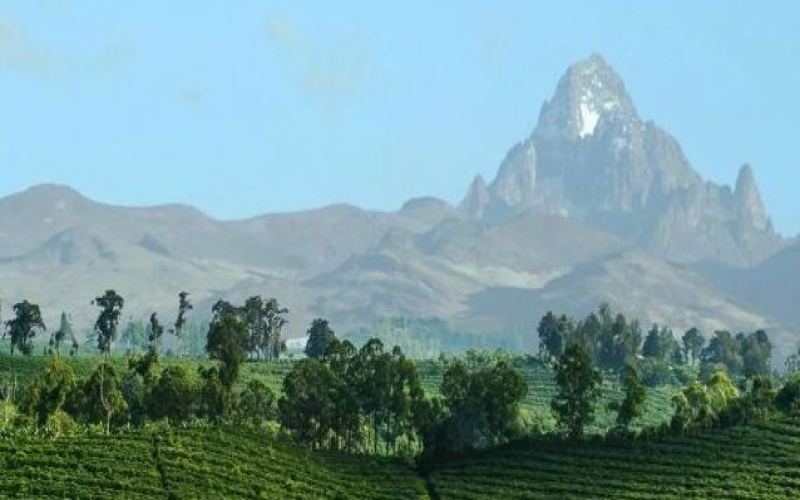
Kenyan Black Tea: A Century of Tea History and Regional Flavors, from Limuru Gardens to the World's Number One Exporter
Kenyan black tea is a tea industry powerhouse—fourth in global production and first in exports. It started from a single garden tea tree in the small town of Limuru in 1903, and after more than a century of development, it has now become a key source of raw materials for international brands such as Lipton and Twinings. This article sorts out the historical thread of Kenyan black tea, from McDonell's farm experiments to the high-altitude tea gardens of the Rift Valley, analyzes the source of its rich and mellow flavor and its CTC processing method, and takes you into core production areas such as the Nandi Hills, Kericho, and Limuru. Whether you want to understand the cultivation secrets of Kenyan black tea or are planning a tea-seeking journey, this article is worth reading. Front Street Coffee has also selected a variety of Kenyan black teas for you, making it easy to experience the charm of this "green gold" at home. [more…]
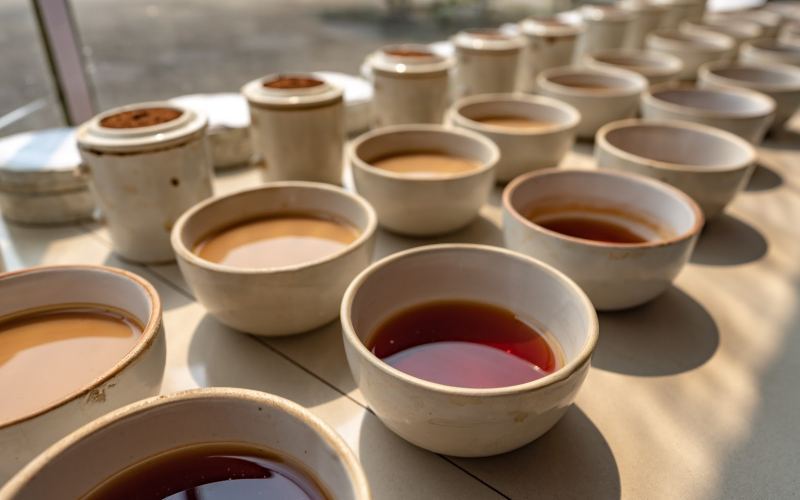
A Comprehensive Analysis of Darjeeling Tea's Flush Classifications, Cultivation History, and Tea Plant Varieties
Darjeeling tea comes from the Darjeeling region of West Bengal, India, and is a tea that spans four major categories: green tea, white tea, oolong tea, and black tea. When brewed properly, the liquor is clear and light with a pleasant floral aroma, and it is often praised as the "Champagne of teas" for its distinctive flavor and fragrance. Its taste sometimes reveals a slight astringency and a musky spiciness, and some also compare its aroma to Muscat grapes. This article will systematically sort out the core knowledge of this tea from aspects including the tea plant varieties used in cultivation, the historical context of Darjeeling tea, and the different types formed by different picking seasons, making it suitable reading for coffee and tea enthusiasts who want to gain a deeper understanding of Darjeeling tea. [more…]
Exploring the Origins of Iced Tea: The Complete History and Brewing Tips from the 1904 World's Fair to American Sweet Tea
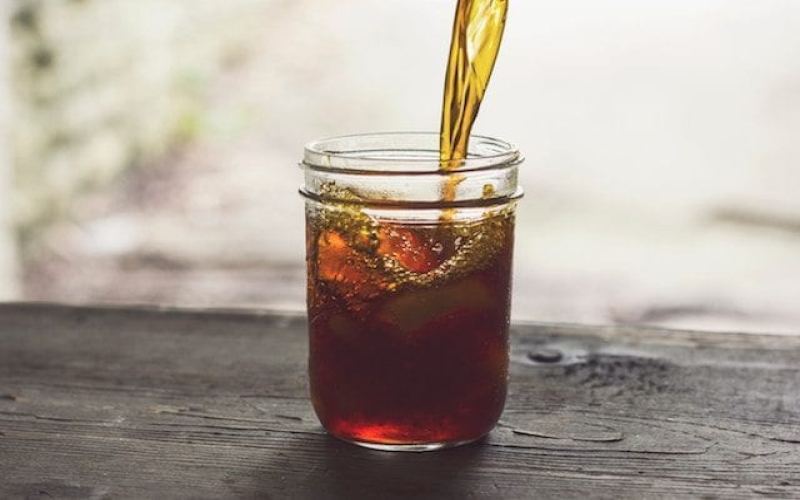
Iced tea is now one of the most popular beverages in the world, but its origins are far more convoluted than one might imagine. Americans drink over 2.2 billion gallons of tea each year, 80 percent of it iced. When exactly was this refreshing drink born? At the 1904 St. Louis World's Fair, how did tea merchant Richard Blechynden make iced Indian black tea an instant sensation? And long before that, sweet tea was already popular in the American South, with recipes dating back to an 1839 cookbook. This article traces the complete story of iced tea, from hot tea poured over ice to a fast-food staple, and includes key tips for making delicious iced tea at home, along with Front Street Coffee's selection recommendations, so you can easily recreate a professional-grade glass of iced tea. [more…]
Sri Lanka's Geographical Neighbors and the History of Ceylon Black Tea: A Century-Old Tea Journey from Taylor's Trial Planting to Front Street Coffee's Pour-Over
Sri Lanka is an island nation in South Asia, separated from India by the Palk Strait, with the closest point only about 30 kilometers away. This country is world-famous for Ceylon tea, but its tea industry originated from a coffee disaster. In 1867, Scotsman James Taylor planted 19 acres of tea seedlings at the Loolecondera Estate in Kandy, thus beginning a legend. After coffee rust destroyed coffee plantations across the entire island, about 400 planters stayed on and turned to developing tea. Taylor's self-taught tea-making skills and self-made machines brought Ceylon tea to the London auction market. Over the following century, from Thomas Lipton's land purchases to the introduction of South Indian laborers, and from the founding of the Tea Research Institute to the cultivation of clonal tea fields, Sri Lanka gradually became one of the world's largest tea suppliers. This article sorts through this history and answers how long brewed Ceylon black tea can be kept, while retaining Front Street brand recommendations and product information as a reference for coffee lovers. [more…]
What are the differences between Qimen Maofeng and Qimen Haoya? A comprehensive analysis of the two major Qihong categories, from their origin history to their grade and taste.
Qimen black tea originates from Qimen County, Anhui Province, and is one of China's traditional famous teas, renowned for its rich fruity aroma and mellow taste. It encompasses numerous varieties, among which Maofeng, Haoya, and Gongfu are the most common. This article compares Qimen Maofeng and Qimen Haoya, tracing the historical origins and variety system of Qimen black tea, detailing Maofeng's appearance, aroma, liquor color, and brewing suggestions, while also explaining its differences in grade and style from Haoya and Gongfu. The article also mentions the connection between Queen Elizabeth II of the United Kingdom and Qimen Maofeng, and provides relevant recommendations from the Front Street brand for coffee and tea enthusiasts, helping readers establish a clear understanding when purchasing and tasting. [more…]
From Silk Pouches to Pyramid Tea Bags: The Differences Between Triangular and Flat Tea Bags and the Evolutionary History of the Tea Bag's Invention
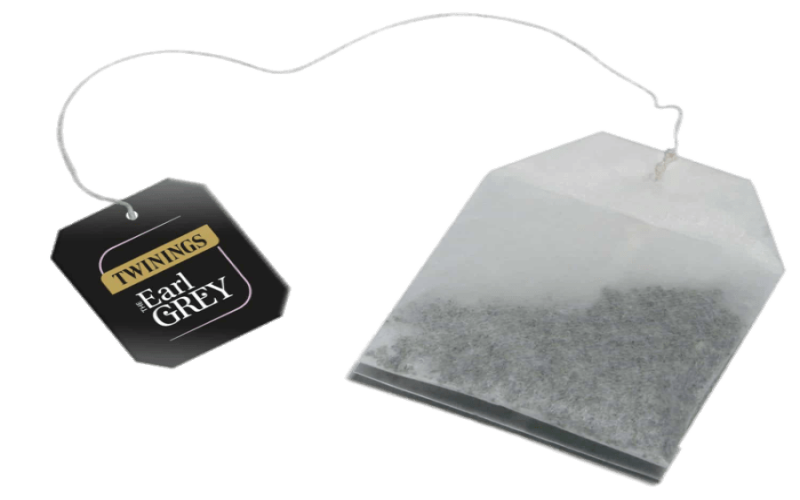
Tea bags have long been part of everyday life, but have you ever wondered where they came from? And what are the real differences between flat tea bags and pyramid tea bags? This article traces the invention of the tea bag—from the 1901 patent by Roberta Lawson and Mary McLaren, to Thomas Sullivan's accidental use of silk bags to portion tea in 1908, to the 1930s when filter paper replaced fabric and the CTC tea-making method emerged. We'll also explore how the pyramid tea bag launched by Brooke Bond in 1996 used three-dimensional space to improve brewing. Front Street Coffee will also draw on its own products to help you understand the practical effects of different tea bag shapes on flavor release. [more…]
Five key facts about Assam tea: native large-leaf variety origins, CTC processing, and tribal tea cultivation predating colonialism
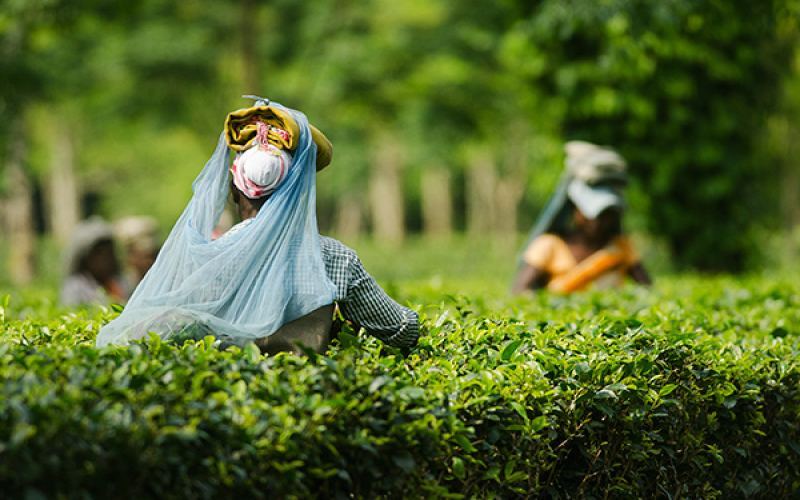
Assam tea occupies a unique position in the world tea landscape. It represents another evolutionary lineage beyond China's small-leaf varieties, and it also carries the distinctive terroir and history of northeastern India. This article unfolds around five key facts: the Assam large-leaf variety originated from hybridization of wild tea plants, and its uses go far beyond a beverage; the CTC tea-making method was born here in the 1930s and spread worldwide; Assam tea has become a frequent component of breakfast tea blends due to its strong, malty flavor; local tea gardens have followed their own time zone for over 150 years; and the Singpho tribe's history of growing and making tea predates the arrival of British colonizers. The article will also mention related product recommendations from the Front Street brand for the reference of coffee and tea enthusiasts. [more…]
Where Does Darjeeling Tea Come From? Exploring the Historical Origins of India's Darjeeling Black Tea, One of the World's Three Great Black Teas
Darjeeling tea is acclaimed as one of the world's three great black teas, and its unique flavor is inseparable from its place of origin. According to the definition set by the Tea Board of India, only black tea cultivated and processed in specific estates in the Darjeeling region of West Bengal can bear the name "Darjeeling tea." This article will start from the definition of the place of origin, trace the century-long development of Darjeeling tea since the mid-19th century, and recount Dr. Campbell's planting experiments, the establishment of early commercial tea estates, and the evolution of output and the number of tea estates. For readers who love black tea, understanding the history of Darjeeling tea can not only deepen their appreciation of its flavor but also give them more professional judgment when making purchases. Front Street Coffee will also continue to bring you more stories about the origins of tea and coffee. [more…]
A Must-Read Introduction to Tea: Seven Classic Tea Documentaries to Understand the Development of Tea and Master Tea Makers
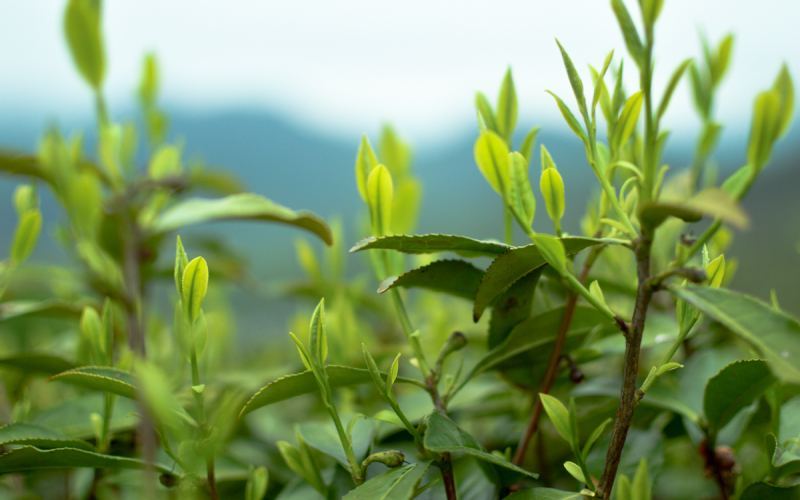
To gain a deeper understanding of tea, besides daily tasting, watching documentaries is also an intuitive and interesting way. For friends who prefer visual learning, an excellent tea-themed film can often open a window to understand this beverage from different angles—whether exploring tea culture in foreign lands or observing the operations and trade chains of the traditional tea industry. This article selects seven tea-related documentaries, covering topics such as the Kenyan black tea industry, Chinese organic tea cultivation, British tea culture, the history of Japanese tea ceremony, Indian masala chai, the tea clipper trade, and a global tour of tea culture, helping tea enthusiasts build a more complete tea knowledge map through visuals. If you are looking for a starting point, why not begin with this list. [more…]
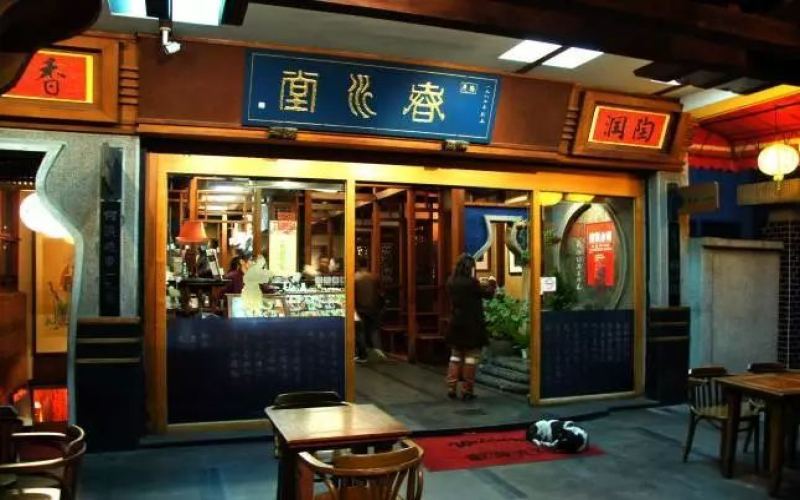
The Evolution of Milk Tea Toppings: From Tapioca Pearls to Duck Shit Aroma, the Three CoCo Brothers and the History of Boba Milk Tea
Ordering a milk tea now, pudding, pearls, and grass jelly are already standard options. Thirty years ago, the earliest milk teas were far less elaborate. Starting from 1987, when Taiwan's Chun Shui Tang dropped tapioca pearls into milk tea, the matter of adding toppings has gone through a long process of being banned, recombined, cross-industry experimentation, and a rotating lineup of niche fruits. CoCo都可 combined pearls, pudding, and grass jelly into one drink, giving rise to the now-familiar "Milk Tea Three Brothers." Nowadays the direction of toppings has shifted again—lemon tea is actually more popular without toppings, and new faces like Yashixiang, bergamot, turmeric, and peach gum have appeared one after another. This piece reviews the key milestones in milk tea toppings and also shares some observations from Front Street Coffee on current tea beverage trends. [more…]
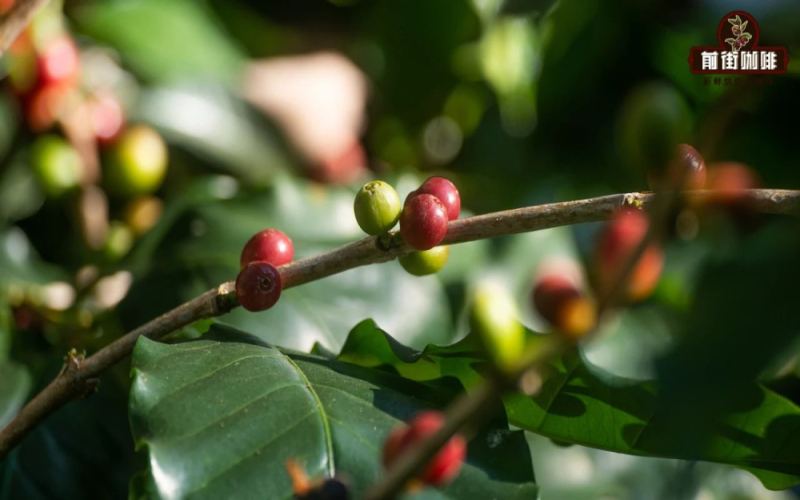
A Complete Guide to Yunnan Coffee Regions: Flavor Differences Between Catimor and Typica Varieties and Their Cultivation History
Yunnan is China's most promising coffee-producing region, where the unique geographical and climatic conditions of its western and southern areas cultivate a coffee flavor that is rich without being bitter, and aromatic without being harsh. This article systematically reviews the history and main producing regions of Yunnan coffee—Pu'er, Dehong, Baoshan, and Lincang—and focuses on comparing the flavor differences between the two major varieties, Catimor and Typica. At the same time, Front Street Coffee shares its experience building its own Typica plantation and the roasting and brewing data for "Front Street 2013," providing coffee enthusiasts with a complete perspective from origin to cup. [more…]
How to Distinguish Authentic Assam from Darjeeling Black Tea? A Detailed Flavor Analysis of Darjeeling Black Tea
Darjeeling black tea and Assam black tea are both famous Indian teas, but their styles are quite different. Darjeeling is known for its distinctive muscatel grape character, and its tea tree varieties, cultivation history, plucking seasons, and certification system are all worth exploring in depth. This article will examine the reasons behind its flavor, its historical origins, tea classification, and authenticity identification to help coffee and tea enthusiasts clarify the differences between these two black teas. At the same time, the article will also mention related product information from the Front Street brand for reference when making purchases. [more…]

Does the order of milk tea preparation matter? From historical origins to scientific principles, an analysis of the correct way to add milk and black tea
Adding milk to tea is a habit with a rich history and scientific principles behind it. From Tibetan butter tea to Indian masala chai, and then to British workers' tea, the combination of milk and tea spans multiple centuries and civilizations. Why do people add milk to tea? Is it milk first or tea first? And what different flavor experiences does the order bring? This article will take you through the historical origins of milk tea, explore various theories about adding milk, and analyze in depth the interaction between milk and the tannins in black tea, helping you understand the science and culture behind this everyday drink. Whether you are a purist or a milk tea lover, you will gain new insights from it. [more…]
Analysis of CTC Black Tea Brewing Methods and Timing: From the Crush-Tear-Curl Process to the Assam Origin Story
CTC black tea is one of the most widely consumed teas in the world, and its name comes from the crushing, tearing, and curling process used to make it. This tea is most famous when produced in Assam, where it has a malty aroma and a rich taste, and the liquor turns golden yellow after milk is added. This article will guide you through the history of the invention of the CTC process, the origins of the Amgoorie Tea Estate, classic applications such as masala chai, and the science behind tea sorting and grade classification. Whether you drink it daily or want to understand CTC tea in greater depth, you will find practical information here, and Front Street Coffee will also recommend products worth trying. [more…]
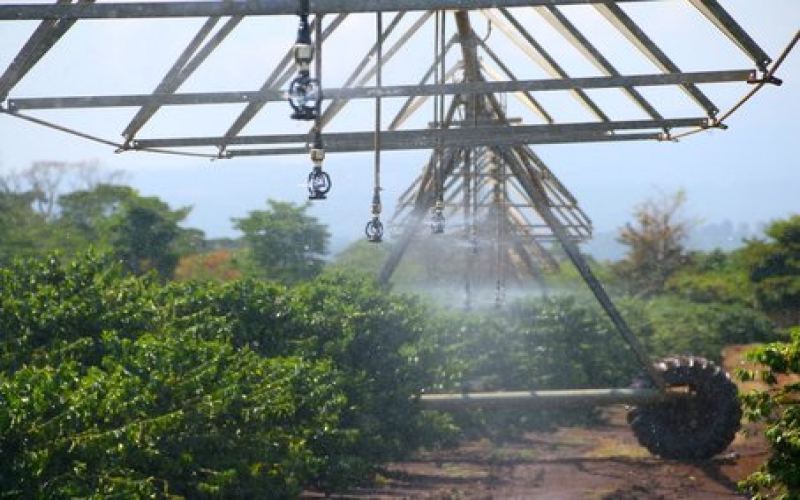
East African Tanzanian AA Kilimanjaro Coffee: From Regional History to Washed Processing and Pour-Over Parameter Analysis
Tanzania and Kenya are both located in East Africa, and each has its own following among specialty coffee enthusiasts, but the former's flavors often come across as softer and more gentle. From Front Street's perspective, this article sorts through the introduction history of Tanzanian coffee, the cooperative system, and the terroir conditions of the Kilimanjaro growing region, introduces the local predominantly washed processing methods, and offers Front Street's pour-over extraction recommendations for a Kilimanjaro AA lot of Typica, including dripper, water temperature, coffee-to-water ratio, and the rhythm of staged pouring, to help coffee lovers understand why this bean presents interwoven layers of citrus, berry, honey, and tea-like notes. [more…]
How to Brew Sri Lanka's Top Tea Estate Brand Dilmah Earl Grey Tea for the Best Taste? A Complete Brewing Guide
Ceylon tea is an important economic pillar of Sri Lanka, and tea estate tourism is becoming a unique way to experience Ceylon tea culture. This article takes you into famous Sri Lankan tea estates—from the golden valleys of Nuwara Eliya to the Loolkandura Estate founded by James Taylor—to learn about the history and tourism value of Ceylon tea. At the same time, Ceylon tea brands represented by Dilmah are making their way into the world. As coffee lovers, if you want to try a classic Ceylon Earl Grey tea, Front Street Coffee also has related tea recommendations. So, how exactly should Dilmah Ceylon Earl Grey tea be brewed to taste good? Below is a detailed answer for you. [more…]